Digital government and public services
Expand accessible digital public services and strengthen the systems that connect government agencies and citizens.
National goals · independent collaboration roadmap
Goals, timelines & pillar leads
Uzbekistan’s national digital-transformation strategy was established by Presidential Decree UP-6079 on 5 October 2020. It sets a long-term direction for digital government, infrastructure, the technology economy and digital skills.
QuantYogi Digital LLC is an independent company. This page explains public strategy documents and does not imply government ownership, appointment, accreditation or endorsement.
Expand accessible digital public services and strengthen the systems that connect government agencies and citizens.
Extend connectivity and the infrastructure needed for reliable public, commercial and educational digital services.
Develop the domestic digital-technology market, grow technology exports and create conditions for technology businesses to scale.
Build digital and IT capability through education, professional training and collaboration with business and academia.
Aspirational target published on the official Digital Government portal.
Aspirational target published on the official Digital Government portal.
These are official aspirations, not outcomes. Progress figures published by implementing bodies are government-reported and should not be read as independent audit findings.
Proposed planning windows, not official government deadlines or confirmed delivery commitments. Leads are assigned by role fit for QuantYogi’s independent collaboration work—not leadership of the national strategy. Every pilot depends on counterpart agreement, funding, approvals and an agreed scope; no completed outcomes are claimed here.
Explore institutional collaboration on accessible services, governance and responsible data use.
Identify an institutional sponsor and service need
Agree governance, data safeguards and a scoped pilot
Review accessibility and service quality before wider adoption
Evaluate documented results and remaining gaps
 Adv Mukul SharmaCorporate governance, legal structuring and compliance
 Harmeet Singh JanduMarket expansion and partner development
Assess cloud, connectivity, cybersecurity and data-infrastructure partnership opportunities.
Assess partner capabilities and infrastructure requirements
Develop a feasibility case and pilot subject to approvals
Expand only where reliability and demand are demonstrated
Review resilience, operating costs and sustainability
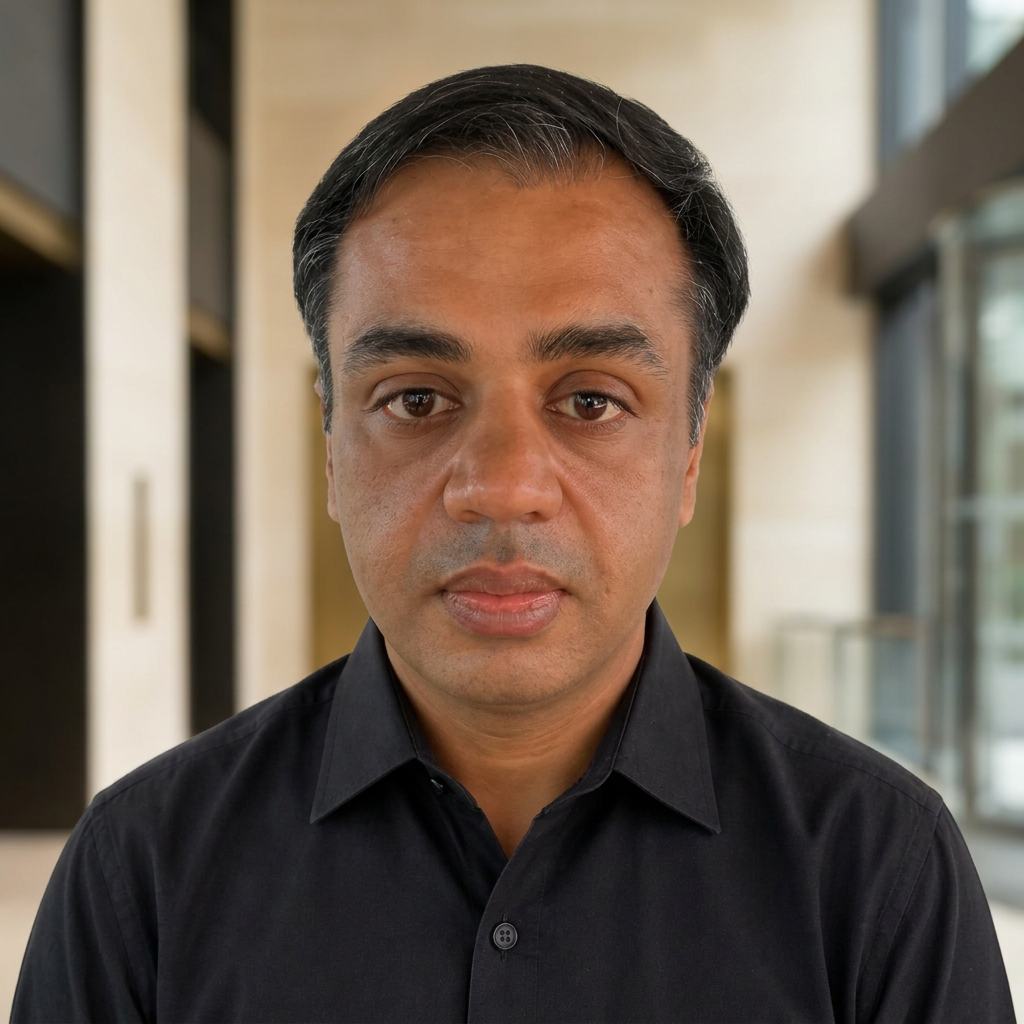 Mohit AeryOperations excellence and delivery
 Dr. J. ParthasarathyDigital infrastructure and technology advisory
Connect technology enterprises with local partners and practical market-entry support.
Map enterprise needs and eligible partnership routes
Develop scoped commercial collaborations
Extend partnerships supported by delivery evidence
Review documented enterprise and export contributions
 Kamilia BenmoussaInternational business development and global partnerships
 Mr. Yulchiev AbrorLocal coordination and executive mobility in TashkentAdv Mukul SharmaCorporate governance, legal structuring and complianceHarmeet Singh JanduMarket expansion and partner development
Explore AI learning, digital skills and university–industry collaboration.
Assess skills needs with education partners
Agree curricula and pilot learning programmes
Expand programmes only after learning-outcome reviews
Evaluate skills development and institutional continuity
Dr. J. ParthasarathyTechnology ecosystems and institutional cooperation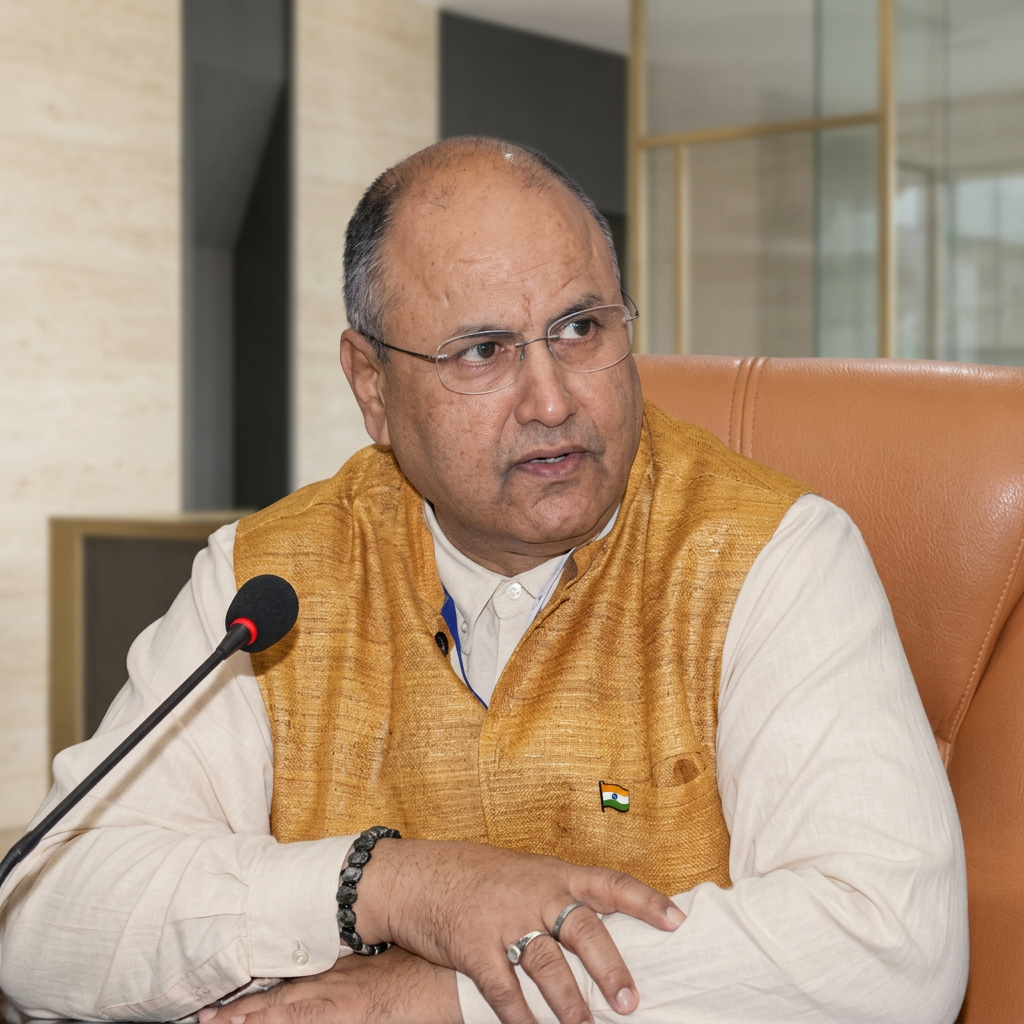 Prof. (Dr.) Ramakant DwivediAcademic engagement and India–Central Asia dialogue
Roadmap proposal updated: 10 October 2026. Coordination: Yogesh Kumar, Tashkent.
The official Digital Government portal reports continued expansion of the Unified Portal of Interactive Public Services and connected government information systems.
The founding strategy includes territorial digital-transformation programmes. The related Digital Tashkent programme covers integrated city information, transport and utility systems.
The official programme vision includes growth in digital and IT services exports and development of the national market for digital technologies.
Education, IT training and participation by business and academia are identified as part of the national digital-transformation approach.
QuantYogi’s independently operated work in AI education, market entry, technology partnerships and digital infrastructure can support similar priorities. Each QuantYogi initiative has its own evidence, status and review date; alignment with national goals does not make it a government programme.
Review initiative status and evidenceExplore regional partnersPlan an institutional collaboration
Share the capability you bring and the outcome you want to explore. Yogesh Kumar coordinates enquiries from QuantYogi’s Tashkent office; availability and counterpart interest are always confirmed before any meeting is proposed.
Official-source overview last reviewed: 17 September 2026.